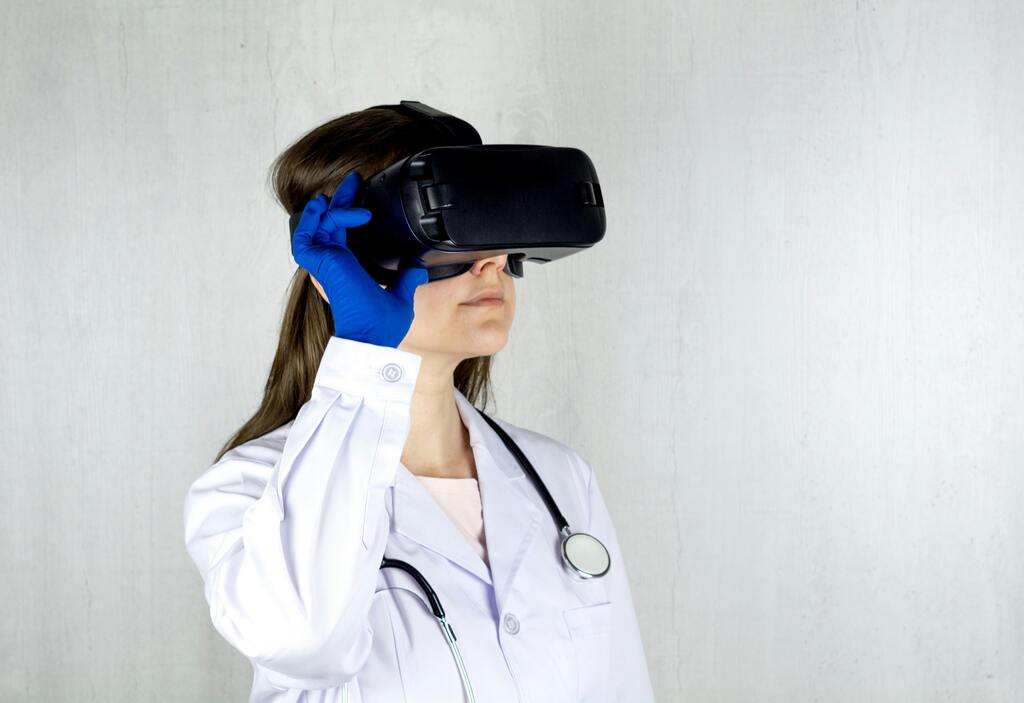
Artificial Intelligence in Healthcare: Coding the Future of Care
By Dr. Nozithelo Moyo
Introduction
Artificial intelligence (AI) is rapidly transforming healthcare, offering new opportunities to improve diagnosis, treatment, and patient outcomes. From clinical decision support systems to predictive analytics, AI is reshaping how healthcare is delivered and experienced.
While its potential is significant, the integration of AI into healthcare systems also raises important questions around accuracy, ethics, and implementation.
What Is Artificial Intelligence in Healthcare?
Artificial intelligence refers to the use of computer systems capable of performing tasks that typically require human intelligence. In healthcare, this includes machine learning algorithms, natural language processing, and data-driven predictive models.
These technologies analyze large volumes of medical data to identify patterns, support clinical decision-making, and improve efficiency across healthcare systems.
Applications of AI in Healthcare
Diagnosis and Clinical Decision Support
AI has demonstrated strong potential in improving diagnostic accuracy. Machine learning algorithms can analyze medical imaging, laboratory results, and patient data to assist clinicians in identifying diseases such as cancer, cardiovascular conditions, and neurological disorders.
In some cases, AI systems have shown performance comparable to or exceeding that of human clinicians in specific diagnostic tasks.
Predictive Analytics and Risk Assessment
AI enables the prediction of disease progression and patient outcomes through the analysis of historical and real-time data. Predictive models can identify high-risk patients, allowing for early intervention and more personalized care.
This is particularly valuable in chronic disease management, where early detection can significantly improve outcomes.
Administrative Efficiency
Beyond clinical applications, AI is also improving administrative processes. Automation of tasks such as documentation, scheduling, and billing reduces the administrative burden on healthcare professionals, allowing more time for patient care.
Drug Development and Research
AI is accelerating drug discovery by analyzing complex biological data and identifying potential therapeutic targets. This reduces the time and cost associated with traditional drug development processes.
Challenges and Limitations
Data Quality and Bias
AI systems rely heavily on data. Poor-quality or biased datasets can lead to inaccurate predictions and reinforce existing healthcare disparities.
Ethical and Regulatory Concerns
The use of AI raises ethical concerns related to patient privacy, data security, and accountability. Questions remain about who is responsible when AI systems make errors.
Integration into Clinical Practice
Implementing AI into existing healthcare systems can be complex. Clinicians must be trained to use these tools effectively, and systems must be designed to complement, rather than replace, clinical judgment.
The Role of Clinicians in an AI-Driven Future
AI is not a replacement for healthcare professionals but a tool to enhance clinical practice.
Clinicians play a critical role in interpreting AI outputs, ensuring patient-centered care, and maintaining ethical standards. The combination of human expertise and technological support offers the greatest potential for improving healthcare outcomes.
Conclusion
Artificial intelligence is transforming healthcare by improving diagnostic accuracy, enhancing efficiency, and enabling more personalized care.
However, its successful integration depends on addressing challenges related to data quality, ethics, and implementation. A balanced approach that combines technological innovation with strong clinical oversight will be essential.
AI represents not just a technological advancement, but a shift in how healthcare is delivered, understood, and optimized.
References
- Topol EJ. High-performance medicine: the convergence of human and artificial intelligence. Nat Med. 2019.
- Rajkomar A, Dean J, Kohane I. Machine learning in medicine. N Engl J Med. 2019.
- Esteva A, Kuprel B, Novoa RA, et al. Dermatologist-level classification of skin cancer. Nature. 2017.
- World Health Organization. Ethics and governance of artificial intelligence for health. WHO; 2021.